US Launches Heavy Military Strikes Against Iran Following Attack Attempt
The United States conducts intense military operations against Iran after an attempted assault on American forces. Tensions escalate as both nations resume hostile actions and missile strikes.
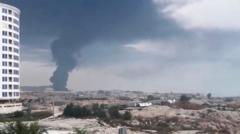
United States Conducts Intensive Military Operations Against Iran
Following a period of reduced tensions in the region, the United States has launched what military officials describe as significant and forceful military strikes against Iran. These operations come in direct response to an attempted attack on American troops stationed in the Middle East, marking a substantial escalation in the ongoing confrontation between the two nations.
The US military strikes Iran with considerable firepower as retaliation for the hostile action. Multiple sources confirm that American defense forces deployed advanced weaponry and strategic air operations to target Iranian military installations and positions associated with the attempted assault on U.S. personnel.
Breakdown of Recent Hostilities
The current military engagement represents a significant shift in the region's security landscape. After weeks of relative restraint and diplomatic posturing, both the United States and Iran have resumed active hostilities, creating an increasingly volatile situation across the Middle East.
End of the Ceasefire Period
The temporary pause in aggressive actions, which had provided some relief to regional stakeholders, has now definitively ended. Military analysts point to the attempted strike on American troops as the catalyst that prompted the renewed escalation. Both Washington and Tehran appear committed to demonstrating military resolve through coordinated attacks and counter-attacks.
Resumption of Missile Attacks
Intelligence reports indicate that Iran has responded to American military operations by renewing its own missile launch campaign. The exchange of long-range projectiles signals a return to the pattern of tit-for-tat military responses that characterized earlier phases of the conflict. These developments underscore the precarious nature of the current standoff and the limited prospects for immediate diplomatic resolution.
Strategic Implications of the Military Escalation
The resumption of active hostilities carries significant implications for regional stability and international relations. Military analysts warn that the current trajectory of US military strikes Iran and subsequent Iranian retaliation could spiral into a larger conflict if diplomatic channels fail to intervene effectively.
International Response to Renewed Tensions
The broader international community watches closely as developments unfold. Allied nations of the United States have issued statements urging restraint, while regional actors assess how this renewed conflict might affect their own strategic positions and security interests.
Energy markets, shipping routes, and global security frameworks all face potential disruption from the escalating military confrontation. International observers emphasize the importance of preventing further escalation that could have devastating consequences for global stability and economic systems.
Assessment of Military Capabilities on Display
The intensity and precision of the US military strikes Iran demonstrate the advanced technological capabilities available to American defense forces. Similarly, Iran's missile arsenal represents a credible deterrent and offensive capability that cannot be dismissed by regional or international observers.
Both nations continue to employ their most advanced military systems, suggesting that neither side intends to back down from the current confrontation. The technological sophistication of the weapons deployed reflects the serious nature of the underlying dispute and the commitment of both parties to advancing their strategic objectives through military means.
Future Outlook and De-escalation Prospects
Moving forward, the international community faces critical questions about whether diplomatic initiatives can interrupt the current cycle of military action and reaction. The stakes remain extraordinarily high as the situation continues to develop.
Military officials and political leaders on both sides must carefully evaluate their next moves, considering not only immediate tactical advantages but also long-term strategic consequences. The window for peaceful resolution appears to be narrowing, making urgent diplomatic engagement essential for preventing further deterioration of the security situation.