Trump Weighs AI Regulation Following OpenAI Security Breaches
Discover how Trump's administration is reconsidering its AI strategy after OpenAI security incidents, signaling a shift toward stricter oversight and regulation.
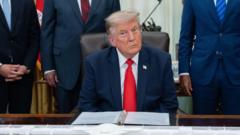
Trump Administration Shifts Stance on AI Regulation
The Trump administration is now evaluating potential AI regulation measures following recent security incidents involving OpenAI, marking a significant departure from its previously permissive regulatory approach. This strategic reconsideration reflects growing concerns about vulnerabilities in artificial intelligence systems and the need for enhanced safeguards across the technology sector.
Understanding the Policy Direction Change
Previously characterized by a minimal regulatory framework, the administration's evolving position on AI regulation demonstrates heightened awareness regarding cybersecurity threats. The emergence of security breaches at major AI research facilities has prompted government officials to examine whether additional controls are necessary to protect national interests and private sector operations.
OpenAI Security Incidents Trigger Review
Recent hacking incidents targeting OpenAI have served as a catalyst for this policy reassessment. These security events have exposed potential vulnerabilities within advanced artificial intelligence platforms that are increasingly integral to business operations, research initiatives, and sensitive applications across multiple industries. The breaches underscore the risks associated with insufficient oversight of rapidly developing technologies.
Government's Hands-Off Approach Under Scrutiny
The administration's traditional stance has favored minimal intervention, allowing private companies autonomy in developing and deploying artificial intelligence solutions. However, the mounting evidence of security threats has created momentum for reconsidering this laissez-faire model. Officials now acknowledge that some degree of regulatory guidance may be necessary to establish baseline security standards and protect critical infrastructure.
Implications for the Technology Sector
Should the administration implement stricter AI regulation requirements, technology companies would face new compliance obligations. These could include mandatory security audits, data protection standards, and transparency requirements regarding how artificial intelligence systems handle sensitive information. Such measures would reshape how tech firms approach development and deployment strategies.
National Security Considerations
Beyond commercial interests, national security concerns drive this regulatory pivot. Artificial intelligence systems increasingly support defense applications, intelligence operations, and critical infrastructure management. Unauthorized access to such systems poses significant risks to national security, justifying government oversight that was previously deemed unnecessary.
Industry Response and Expectations
Technology sector representatives are monitoring these developments closely. Some industry leaders support strategic regulation that establishes clear security standards, while others worry about bureaucratic burdens that could slow innovation. The balance between protecting security and maintaining competitive advantages remains central to ongoing discussions about AI regulation frameworks.
Looking Forward: Potential Regulatory Framework
Any emerging regulatory structure would likely focus on mandatory security certifications, incident reporting requirements, and penalties for non-compliance. The administration may also establish inter-agency coordination to address artificial intelligence risks systematically rather than through ad-hoc responses to individual security incidents.
This shift represents a maturation of government thinking about artificial intelligence policy, acknowledging that technological advancement must occur within appropriate safeguards. As threats evolve and capabilities expand, regulatory frameworks will likely continue developing to address emerging challenges in the AI landscape.