Trump Administration Restricts Import of Chinese Humanoid Robots
The Trump administration has imposed new restrictions on Chinese humanoid robots, escalating tensions in the global AI and robotics race between the US and China.
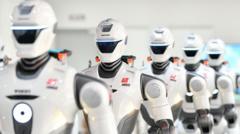
Trump Administration Takes Action Against Chinese Humanoid Robots
In a significant move that reflects mounting competitive pressures, the Trump administration has implemented restrictions targeting Chinese humanoid robots entering the American market. This policy decision underscores the intensifying struggle between the United States and China to establish dominance in the rapidly evolving sectors of robotics and artificial intelligence technology.
The ban on Chinese humanoid robots represents a critical juncture in the broader geopolitical competition over technological superiority. Both nations have invested heavily in developing advanced robotic systems, viewing these innovations as essential components of future economic and military capabilities.
The Stakes in the Robotics and AI Competition
The United States and China are engaged in what many analysts describe as a defining technological race of the 21st century. Each nation recognizes that leadership in robotics and artificial intelligence will significantly impact economic growth, job creation, and national security for decades to come.
China has emerged as a formidable player in humanoid robotics development, with companies investing billions of dollars in creating robots capable of performing complex tasks across manufacturing, service industries, and research environments. The introduction of advanced Chinese humanoid robots has raised concerns among American policymakers about intellectual property protection, labor market disruption, and strategic technological dependencies.
Government Rationale and Strategic Concerns
The Trump administration's decision to restrict Chinese humanoid robots stems from several interrelated concerns. Officials have emphasized national security considerations, particularly regarding the potential military applications of advanced robotics technology and the risks associated with allowing foreign governments to gain access to sensitive American markets and infrastructure.
Additionally, the administration has highlighted economic competitiveness issues. By limiting the importation of Chinese humanoid robots, policymakers aim to protect domestic companies developing similar technologies and to incentivize investment in American robotics innovation and manufacturing capabilities.
Impact on American Robotics Industry
This restriction on Chinese humanoid robots is expected to have substantial consequences for the American robotics sector. Domestic companies specializing in humanoid robot development, including startups and established corporations, may benefit from reduced competition and increased market opportunities within the United States.
The ban potentially creates space for American firms to accelerate their own humanoid robotics programs, secure additional investment capital, and establish themselves as leading providers of advanced robotic systems. This market protection strategy aims to strengthen the competitive position of US companies in both domestic and international markets.
Global Implications and Trade Tensions
The Trump administration's action on Chinese humanoid robots adds another layer to existing trade tensions between the world's two largest economies. Both nations have implemented various tariffs and restrictions on technology-related products in recent years, and this move fits within that broader pattern of trade barriers.
China is likely to respond with countermeasures, potentially affecting American companies doing business in Chinese markets or relying on Chinese components and manufacturing capabilities. The escalation of technological protectionism could reshape global supply chains and alter the competitive landscape for robotics and artificial intelligence innovation worldwide.
The Future of Humanoid Robotics Development
As restrictions on Chinese humanoid robots take effect, the technological race between the two superpowers is expected to intensify rather than diminish. Both the United States and China will likely accelerate their own research and development efforts, leading to rapid advancements in robotics capabilities, AI integration, and autonomous systems.
The long-term implications of such restrictions remain uncertain. While short-term protectionism may benefit domestic American companies, continued innovation in the Chinese humanoid robots sector suggests that competitive advantages could shift over time depending on policy approaches, research investments, and breakthrough discoveries in artificial intelligence and robotics engineering.