Locals Battle France Wildfire: Fighting to Protect Their Homeland
Discover how residents in France's Gironde region are fighting wildfires in extreme 40C heat. Locals resist evacuation to defend their homes and forest heritage.
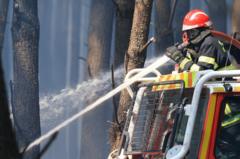
France Wildfire Threatens Gironde Region Amid Extreme Heat
The ongoing France wildfire crisis continues to escalate across the Gironde region as firefighters wage an intensive battle against rapidly spreading flames in scorching 40-degree Celsius conditions. Despite official evacuation orders, numerous residents have chosen to remain in their communities, determined to protect their homes and ancestral connection to the forest landscape that defines their identity and livelihoods.
Residents Defy Evacuation Orders
In a striking display of resilience and attachment to their homeland, many locals in the affected areas have refused to abandon their properties despite urgent pleas from authorities. These individuals, deeply rooted in their communities for generations, view the France wildfire threat not merely as a natural disaster but as an assault on their way of life. Their decision to stay reflects a profound commitment to their homes and the forests that have sustained their families through decades.
The Personal Stakes of the Crisis
For these residents, evacuation represents more than temporary displacement. It symbolizes the potential loss of everything they hold dear—their homes, their agricultural lands, and their cultural heritage. The Gironde region, known for its rich forestry and agricultural traditions, holds deep emotional significance for long-time inhabitants who have built their identities around these landscapes.
Firefighters Battle in Extreme Conditions
Emergency personnel continue to face extraordinary challenges as they combat the France wildfire across multiple fronts. Operating in 40C heat represents a severe test of both human endurance and equipment capability. Firefighting teams work around the clock, implementing aerial water drops, ground-based firefighting techniques, and strategic fire breaks to contain the advancing flames and protect vulnerable communities.
The Impact of Heat on Operations
The extreme temperatures complicate every aspect of wildfire response efforts. Equipment requires constant monitoring to prevent mechanical failure, while personnel face heat exhaustion and dehydration risks. The intense conditions also accelerate fire spread, creating dynamic and unpredictable patterns that challenge traditional firefighting strategies and require continuous tactical adjustments.
Community Response and Solidarity
Beyond resistance and defiance, the France wildfire crisis has sparked remarkable community solidarity. Neighbors assist neighbors in preparation efforts, sharing water resources, evacuation information, and emotional support. Some residents have organized informal neighborhood watches, monitoring fire conditions and coordinating communication to ensure collective awareness and mutual protection.
Local Knowledge as a Resource
Paradoxically, the presence of residents familiar with local geography provides valuable intelligence to firefighting operations. Long-time inhabitants understand terrain features, vulnerable access points, and landscape characteristics that external emergency crews may not immediately recognize. This local knowledge, combined with professional firefighting expertise, creates opportunities for more coordinated and effective response strategies.
Environmental and Economic Implications
The France wildfire represents a significant threat to both environmental and economic stability in the Gironde region. Forests that took decades to cultivate face potential destruction within days. The timber industry, which provides livelihoods for numerous families, faces severe disruption. Agricultural lands supporting vineyards and other crops remain under constant threat from advancing flames.
Looking Forward: Resilience and Recovery
As the France wildfire continues to evolve, affected communities demonstrate remarkable determination and resilience. Whether residents ultimately choose evacuation or remain to defend their properties, their commitment to their homeland underscores deeper questions about community identity, environmental stewardship, and the human relationship with natural spaces. The outcome of this crisis will likely reshape discussions about disaster preparedness, climate resilience, and the role of local communities in managing environmental emergencies across France and beyond.