Iran's Calculated Strategy: Limited War May Benefit More Than Peace
Discover why Iran might prefer controlled confrontation with the US over peaceful resolution. Explore the geopolitical calculations behind this strategic decision.
Iran's Calculated Strategy: Limited War May Benefit More Than Peace
The possibility of a limited war with the US represents a complex calculation within Iranian strategic thinking. Rather than pursuing comprehensive peace negotiations, Iranian decision-makers may view carefully controlled conflict as a more advantageous approach to advancing their interests and maintaining leverage in the Middle East.
The Logic Behind Controlled Confrontation
A limited war with the US offers Iran several strategic advantages that outright peace may not provide. By maintaining pressure through coordinated but measured military and proxy activities, Iran can project power without triggering an overwhelming American response. This approach allows the nation to sustain its regional influence while avoiding the catastrophic consequences of full-scale warfare.
The Iranian leadership understands that a limited war scenario enables them to accomplish multiple objectives simultaneously. They can demonstrate strength to domestic audiences, maintain support among regional allies, and signal resolve to adversaries without sacrificing the entire nation's infrastructure and economy.
Why Peace May Not Serve Iran's Interests
Complete peace with the United States would require Iran to make significant concessions on its nuclear program, proxy activities, and regional ambitions. Such compromises could weaken the regime's position domestically and undermine its standing among regional allies who depend on Iranian support and military capability.
From Tehran's perspective, negotiated peace might actually disadvantage Iran by forcing it to abandon leverage it has painstakingly built over decades. The costs of disarmament, reduced proxy funding, and diminished regional influence could prove politically unacceptable to key power centers within the Iranian government.
Managing Escalation and Risk
The critical element in Iran's calculus is the belief that it can manage escalation carefully. Iranian planners may assess that they possess sufficient deniability through proxy forces, cyberattacks, and naval operations to maintain pressure without crossing thresholds that would provoke a catastrophic American military response.
This belief in controlled escalation rests on several assumptions: that the US has limited appetite for another major Middle Eastern conflict, that American policymakers will hesitate before launching large-scale operations, and that international opinion would constrain American military options. By operating through proxies and non-traditional military means, Iran believes it can maintain strategic advantage while distributing risk.
Regional Implications of Limited Conflict
A prolonged limited war dynamic would reshape regional power structures substantially. Countries throughout the Middle East would need to position themselves carefully between American interests and Iranian ambitions. Allies of both powers would face pressure to choose sides or maintain dangerous neutrality.
The costs of such continuous tension would extend beyond Iran and the US to affect global oil markets, international commerce, and the stability of neighboring states. Gulf nations would bear particular vulnerability to disruption, requiring enhanced defensive capabilities and security arrangements.
Economic and Military Considerations
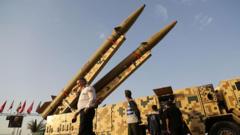
Iran's economy, already stressed by international sanctions, faces significant constraints on its military spending. However, the asymmetric nature of limited warfare allows Iran to maximize damage and disruption using relatively modest resources. Drone technology, missile systems, and proxy militias provide cost-effective tools for sustained pressure on American interests.
The US military advantage in conventional warfare is overwhelming, which paradoxically supports Iran's preference for limited conflict. Direct confrontation would guarantee Iranian defeat, making limited, distributed, and deniable operations far more rational from Tehran's strategic perspective.
Domestic Political Dimensions
Within Iran, maintaining a limited war posture serves important domestic political functions. It allows the government to maintain a siege mentality that bolsters national unity, justifies military spending and restrictions on civil liberties, and provides rallying points for nationalist sentiment.
Peace negotiations, by contrast, would require the Iranian government to present concrete benefits to its population and potentially accept scrutiny of its nuclear activities and human rights record. The political costs of such transparency might prove too high for the current regime.
Conclusion
Iran's apparent preference for limited war with the US over comprehensive peace reflects rational strategic calculation rather than recklessness. By carefully managing conflict intensity, maintaining deniability, and leveraging asymmetric capabilities, Iranian planners believe they can sustain pressure on American interests while avoiding catastrophic consequences. Until the incentive structure changes fundamentally, this approach may continue to shape Iranian foreign policy and Middle Eastern stability for the foreseeable future.