Hundreds of Migrants Swim Across to Ceuta from Morocco
Hundreds of migrants swim from Morocco to Spanish enclave of Ceuta. Territorial authorities report overwhelming resources and call for government intervention.
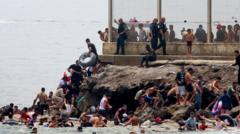
Hundreds of Migrants Swim from Morocco to Ceuta Enclave
Hundreds of migrants have successfully swum across the strait separating Morocco from the Spanish enclave of Ceuta in a dramatic surge of arrivals that has sparked urgent concerns among local officials. The unprecedented wave of individuals attempting this perilous maritime journey underscores the ongoing tensions at one of Europe's most sensitive border regions, where thousands continue to seek entry into Spanish territory through any available means.
The influx has triggered alarm bells among Ceuta's administration, which faces mounting pressure to address the humanitarian and logistical challenges accompanying such large-scale movements. Officials report that current infrastructure and resources are becoming increasingly strained as the number of arriving migrants continues to escalate throughout the coastal area.
Territorial Leader Demands Government Action
The enclave's leader has made an explicit call to the Spanish national government, emphasizing that immediate intervention is essential to manage the crisis effectively. According to territorial authorities, the situation has reached a critical point where local capabilities alone cannot adequately handle the volume of migrants arriving daily through the water route.
Officials have highlighted that the overwhelming influx is placing unprecedented stress on accommodation facilities, medical services, and administrative processing centers. The leadership has stressed that without coordinated national-level support and resources, the situation risks deteriorating further, potentially creating humanitarian complications.
The Maritime Route Crisis
The decision by migrants to swim across the strait reflects the desperation and determination characterizing contemporary migration patterns in North Africa. Despite the inherent dangers of such crossings—including strong currents, cold water temperatures, and unpredictable weather conditions—the route continues to attract individuals seeking alternative pathways into European territory.
Border security personnel and coast guard units have observed increased activity along the maritime boundary, noting that swimmers arrive in coordinated waves rather than isolated incidents. This pattern suggests organizational involvement in facilitating these dangerous crossings, raising questions about smuggling networks operating in the region.
Resource Strain and Humanitarian Concerns
The Spanish enclave's limited geographic area and existing infrastructure were never designed to accommodate such rapid population surges. Ceuta, already home to significant migrant populations in processing centers, now faces the challenge of managing simultaneous arrivals that exceed operational capacity.
Healthcare facilities report increased demand for medical attention, as many swimmers require treatment for exhaustion, hypothermia, and minor injuries sustained during their crossings. Additionally, food supplies, drinking water, and temporary shelter arrangements have become increasingly stretched thin.
Border Security Response
Authorities have intensified monitoring efforts along the coastline, deploying additional personnel to detect and respond to crossing attempts. However, the sheer volume of simultaneous arrivals has occasionally overwhelmed response capabilities, allowing some migrants to successfully reach shore before interception.
The coordination between Moroccan and Spanish authorities remains a critical component of addressing these maritime movements. Both nations have acknowledged the challenges posed by organized smuggling operations that actively recruit and transport migrants to departure points.
Broader Context and Implications
This situation reflects broader migration pressures affecting the Mediterranean region and North African borders. Ceuta and its sister enclave Melilla represent two of the EU's only land borders with Africa, making them focal points for individuals attempting to reach European territory.
The continued arrivals underscore underlying factors driving migration, including economic hardship, conflict, and climate-related displacement in origin countries. Until substantive progress addresses these root causes, migration pressures at European borders are likely to persist.
Spanish government officials have indicated willingness to engage with the situation, recognizing both the humanitarian obligations and security considerations involved. However, the pace of arrivals has created urgency around developing comprehensive solutions that balance compassionate treatment with effective border management.