Hamas Disarmament Initiative Presents Complex Path Forward Amid Gaza Crisis
Explore the obstacles and emerging opportunities in Hamas disarmament plans for Gaza. Analysis of political challenges and potential peace pathways.
Understanding the Hamas Disarmament Framework
The concept of Hamas disarmament in Gaza represents one of the most intricate geopolitical challenges facing international mediators and regional stakeholders. As discussions surrounding Hamas disarmament continue to evolve, experts acknowledge both the significant hurdles and the unexpected glimmer of optimism that such initiatives could potentially introduce to the devastated region.
The fundamental premise behind any Hamas disarmament proposal hinges on establishing a sustainable security architecture that addresses the legitimate concerns of all parties involved. However, the path toward implementing Hamas disarmament remains fraught with complications rooted in decades of mistrust, military positioning, and ideological entrenchment.
The Political Complexity of Implementation
The political landscape surrounding potential Hamas disarmament initiatives is multifaceted and deeply interconnected with broader Middle Eastern power dynamics. Multiple governments, international organizations, and armed groups maintain competing interests that directly influence negotiations and implementation strategies.
Achieving consensus on Hamas disarmament requires navigating a treacherous terrain where historical grievances intersect with contemporary security concerns. Political leaders across the region must reconcile their domestic political pressures with the pragmatic necessity of engaging in meaningful dialogue about disarmament frameworks.
Regional and International Stakeholders
The involvement of numerous regional powers, international bodies, and humanitarian organizations complicates the pursuit of Hamas disarmament. Each stakeholder brings distinct perspectives, red lines, and strategic interests that must be carefully balanced to forge viable agreements.
The Human Cost and Destruction Reality
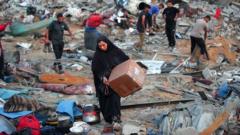
The humanitarian dimension of Gaza's current situation cannot be overstated when discussing Hamas disarmament possibilities. The deaths of thousands of civilians and widespread destruction of infrastructure create a backdrop of profound suffering that demands ethical consideration in all negotiations.
Reconstruction efforts following the conflict will require massive resources, international cooperation, and long-term commitment. These practical realities underscore why any disarmament agreement must simultaneously address humanitarian needs, accountability mechanisms, and pathways for rebuilding.
Trust Deficit and Security Concerns
Zero trust dynamics fundamentally characterize contemporary relations between parties to potential Hamas disarmament agreements. Historical violations of previous agreements, military capability assessments, and verification challenges create legitimate skepticism about implementation feasibility.
Establishing credible verification mechanisms for Hamas disarmament represents a critical prerequisite for any sustainable accord. Independent monitoring systems, international oversight frameworks, and transparent accountability structures would need to operate within the unique context of Gaza's geography and political divisions.
Emerging Opportunities for Peace
Despite overwhelming obstacles, rare opportunities have emerged that suggest Hamas disarmament initiatives might succeed where previous attempts failed. Changing regional dynamics, international pressure, and recognition of mutual interest in stability have created unprecedented diplomatic openings.
The possibility that comprehensive Hamas disarmament arrangements could establish foundations for genuine, lasting peace offers genuine hope to millions affected by ongoing conflict. Such arrangements would need to address root causes of extremism, provide viable political alternatives, and ensure equitable resource distribution.
Looking Forward: Conditions for Success
Successful implementation of Hamas disarmament strategies requires simultaneous progress across multiple dimensions: political settlement, security arrangements, humanitarian reconstruction, and transitional justice mechanisms.
As stakeholders continue evaluating pathways toward sustainable peace, the integration of Hamas disarmament initiatives within comprehensive conflict resolution frameworks represents the most realistic approach. While obstacles remain formidable, the potential for transformative change provides motivation for sustained diplomatic engagement.