Greek Wildfire Evacuation: 500 People Rescued by Sea
Over 500 tourists evacuated by boat from Greek wildfire in Agios Vasileios. Latest updates on European blazes affecting multiple countries.
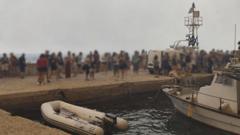
Greek Wildfire Evacuation: Hundreds Rescued in Emergency Operation
A Greek wildfire evacuation has resulted in the successful rescue of approximately 500 people, predominantly holidaymakers, who found themselves stranded in the coastal community of Agios Vasileios. The maritime operation marked a critical response to the escalating threat posed by rapidly spreading wildfires across the Mediterranean region, forcing authorities to deploy naval vessels to extract trapped residents and visitors.
The Agios Vasileios Crisis Unfolds
Agios Vasileios, a picturesque seaside settlement, became the focal point of an urgent emergency response when advancing flames threatened to cut off all terrestrial escape routes. The Greek wildfire evacuation operation highlighted the severity of conditions, as ground-based evacuation corridors proved inadequate or too hazardous for mass movement. Local authorities quickly pivoted to maritime operations, recognizing that the sea represented the safest viable pathway for residents and tourists desperately seeking refuge from the approaching inferno.
Maritime Response to the Emergency
Naval authorities coordinated an intensive evacuation by sea using multiple vessels capable of transporting large numbers of civilians. The operation demonstrated the critical importance of coastal maritime assets during environmental emergencies. Personnel were systematically ferried to safer locations, with priority given to vulnerable populations including elderly visitors, young children, and those with medical conditions. The coordinated effort involved coast guard units and commercial vessels, all mobilized within hours to address the unfolding humanitarian situation.
Broader Wildfire Crisis Across Europe
The situation in Greece constitutes part of a larger pattern of wildfire Europe incidents affecting multiple nations. Exceptional heat conditions, prolonged drought periods, and challenging meteorological patterns have created an environment conducive to rapid fire propagation across numerous regions. Mediterranean countries, in particular, have experienced unprecedented fire activity throughout the season, prompting unprecedented coordination between national authorities and international emergency services.
Escalating Challenges in Fire Management
The increasing frequency and intensity of wildfire Europe phenomena have overwhelmed traditional firefighting methodologies. Resources across the continent have been stretched thin, with personnel and equipment constantly reallocated to emerging hotspots. Ground-based suppression efforts, while ongoing, have proven insufficient in regions experiencing extreme conditions. This reality underscores the shift toward innovative response strategies, including large-scale evacuations and maritime interventions previously considered extraordinary measures.
Tourist Impact and Infrastructure Concerns
The presence of large numbers of tourists requiring emergency evacuation by sea reflects the timing of these disasters during peak travel seasons. Popular coastal destinations have become unexpected crisis zones, disrupting travel plans and raising safety concerns for the tourism industry. Local infrastructure, including accommodation facilities and transportation networks, has experienced significant disruption. The psychological impact on both permanent residents and displaced visitors cannot be underestimated, as communities process traumatic experiences and contemplate recovery timelines.
Response Coordination and Future Preparedness
Emergency management officials have emphasized the necessity for enhanced preparedness protocols specific to coastal communities vulnerable to wildfire Europe scenarios. Pre-positioned maritime assets, evacuation route planning, and cross-border cooperation mechanisms are receiving renewed attention. The Agios Vasileios operation serves as both a successful case study in crisis management and a sobering reminder of vulnerabilities within existing frameworks. Authorities continue reviewing procedures to ensure swift, efficient responses should similar situations emerge.
Environmental and Climate Dimensions
Underlying the recurring cycle of wildfire Europe incidents are broader environmental transformations linked to climatic shifts. Extended drought conditions, elevated ambient temperatures, and altered precipitation patterns have fundamentally modified fire behavior patterns across traditional ecosystems. Scientific assessments increasingly emphasize that historical data no longer reliably predicts fire seasons, requiring adaptive management strategies and resource allocation approaches that anticipate unprecedented scenarios.
Ongoing Monitoring and Updates
As situations continue evolving across multiple European jurisdictions, monitoring systems remain activated to track fire movements and air quality impacts. The Greek wildfire evacuation represents one incident within a broader continental emergency response framework. Additional communities may require precautionary evacuations depending on weather patterns and fire spread trajectories. Public authorities maintain communication channels with residents and tourists, providing updated guidance and resource information as conditions develop.