Chris Philp Takes On French Navy in Channel Patrol
Shadow Home Secretary Chris Philp conducts controversial Channel patrol against illegal immigration. Latest policy on border security sparks debate.
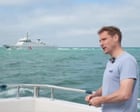
Shadow Home Secretary Intensifies Channel Operations
Chris Philp, the shadow home secretary, has taken a notably aggressive stance on immigration enforcement during recent Channel patrol operations. His approach represents a significant shift in how border security is being handled, with particular focus on preventing illegal crossings through the strategic waterway that separates Britain from France.
The Chris Philp Channel patrol initiative demonstrates the evolving nature of government responses to unauthorized maritime arrivals. Where previous approaches emphasized accommodation and processing of individuals, the current strategy emphasizes immediate intervention and deterrence at sea.
A New Direction in Immigration Policy
During his tenure as immigration minister, Philp's role focused primarily on processing and housing arrangements for new arrivals. The current operational stance reveals a markedly different philosophy. Rather than managing arrivals through hotel accommodation systems, the emphasis has shifted toward preventing crossings altogether through more direct engagement with vessels in the Channel.
The shadow home secretary's involvement in these operations underscores the Conservative Party's commitment to border control as a central policy priority. These patrols occur continuously, with maritime surveillance beginning at dawn and continuing throughout daylight hours. Personnel scan the waters methodically for any unauthorized maritime activity.
International Cooperation and French Navy Coordination
The operations involve close coordination between British and French naval authorities. The Channel represents a shared maritime responsibility, and effective border management requires constant communication between both nations' maritime forces. These joint efforts aim to intercept vessels before they reach UK territorial waters.
Even minor incidents trigger rapid response protocols. Recent observations of suspicious maritime activity resulted in immediate escalation procedures. The coordination between different branches of the military ensures that any potential crossing attempt receives swift attention from appropriate defense assets.
The Scale of the Challenge
Officials involved in Chris Philp Channel operations recognize the potential for rapid escalation if deterrence measures prove insufficient. The concern among policymakers centers on the multiplicative effect of successful crossings. Each successful journey encourages additional attempts, as word spreads through migration networks about viable routes and timings.
This assessment informs the intensity of current patrol operations. The strategy assumes that visible, active enforcement serves as a psychological deterrent to potential migrants considering the dangerous crossing. The presence of military vessels and surveillance aircraft in the Channel is intended to communicate the seriousness of border enforcement.
Military Resources and Response Capabilities
The operations utilize substantial military assets for border patrol duties. Fighter aircraft, naval vessels, and reconnaissance equipment maintain constant vigilance over the Channel waters. This represents a significant commitment of defense resources to immigration enforcement, reflecting the political priority placed on the issue.
Response times are kept deliberately minimal. Intelligence gathering, decision-making, and deployment of enforcement assets occur within minutes of any sighting. This rapid-response capability ensures that the shadow home secretary's patrol initiatives can respond effectively to emerging situations throughout the operational area.
Policy Implications and Political Context
The aggressive posture adopted in Chris Philp Channel operations reflects broader Conservative Party positioning on immigration policy ahead of electoral considerations. The emphasis on dramatic enforcement actions generates political messaging that appeals to voters prioritizing border security concerns.
The shadow home secretary's personal involvement in these operations serves symbolic and practical purposes. It demonstrates high-level political commitment to the issue while ensuring that decision-making authority rests with senior government figures rather than purely military personnel.
International Law and Operational Boundaries
All operations within the Channel occur within the framework of international maritime law and bilateral agreements with France. The coordination between nations ensures that enforcement activities respect established legal boundaries while maximizing the effectiveness of border control measures.
French navy assets operate within their own territorial waters, while British forces maintain responsibility for UK waters and territorial zones. This division of responsibility requires constant communication and coordination to ensure comprehensive coverage across the maritime boundary.
Looking Forward
The current approach to Channel patrol operations, as directed by Chris Philp and the shadow home secretary's office, appears set to continue with sustained intensity. The political commitment to visible, active border enforcement shows no signs of diminishing. Future operations will likely maintain similar levels of military resource allocation and operational tempo, reflecting the issue's prominence in current political discourse surrounding immigration and national security.